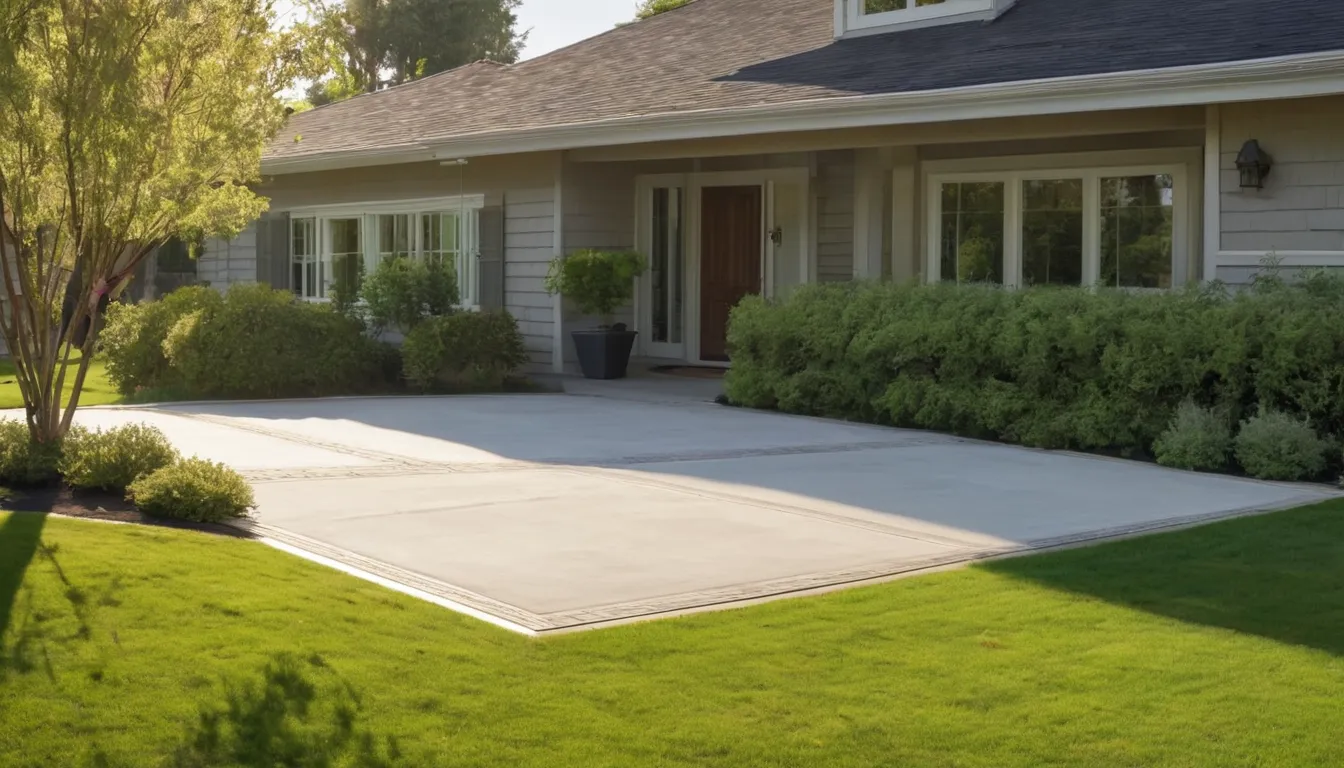
A concrete driveway is a big project, and the first decisions come fast. How big should it be? How thick? Which finish suits your house and your weather? This page lays out the steps in order so you can decide calmly.
Esmediallc Concrete is a referral service. We do not pour or finish concrete. We listen to your project, pass the request to an independent provider in our network, and explain each step of the handoff. The provider visits, writes the quote, and does the work. You stay in charge of every choice.
First, the facts
Referral, not contractor. Esmediallc Concrete does not pour concrete, and it does not set prices. A local provider in our network does the work and writes the quote. Our part is the handoff.
Is it time for a new driveway?
Most people start looking after a bad winter or a failed patch job. Take a breath. A driveway project can be planned in a few clear steps. Start with the signs below.
Signs you need a new driveway
Check your slab against this list:
- Cracks that run across several panels, not just one
- Sections that sit lower or higher than their neighbors
- Flaking, pitting or crumbling on the surface
- Standing water that never drains away
- Gaps where the slab has pulled from the garage or sidewalk
- Patches on top of patches
Three or more of these usually point to replacement, not another patch.
When a patch is enough
One hairline crack or a small chip may only need concrete driveway repair. That is a different job from this page. If most of the slab is sound, ask a provider whether a small fix makes sense before you tear anything out.
Check the ground first
A driveway that sinks near the house can signal a drainage or soil problem. Water pooling against the foundation is a warning too. In that case, ask a foundation repair expert to look at the grading before new concrete goes down. Pouring over a moving base wastes money.
What a new driveway project includes
A typical job follows this order:
1. First, the provider measures the area and checks the slope. 2. Next, the old slab is broken up and hauled away. 3. Then the base is graded and packed with gravel. 4. Forms are set, and reinforcement goes in. 5. Concrete is poured, leveled and finished. 6. Joints are cut so the slab can crack in straight lines. 7. The surface cures before anyone drives on it.
Choosing size, thickness and finish
Measure how many cars you park, then add room to turn and open doors. A wider apron near the garage helps. Many residential driveways use about four inches of concrete. Heavier vehicles may call for five or six. Ask the provider what they recommend and why.
For finish, a broom texture gives grip when wet. Exposed aggregate hides small stains. Color and pattern options exist, though they change the price.
Planning for cold winters and deep frost
In cold regions, frost pushes up on slabs. A deep, well-packed gravel base helps water drain away. Air-entrained concrete resists freeze and thaw cycles. Ask whether the mix is suited to your climate. Also ask about de-icing salts, since some harm young concrete.
Storms, hail and spring flooding
Heavy rain can wash out a poorly graded base. Slope the slab so water runs away from the house and any basement window wells. If you have a sump pump, note where it discharges. A provider can plan the pitch so runoff does not collect at the garage door.
Permits and the street apron
The apron is the part where your driveway meets the street. Many towns control its width, thickness and edge. Some also need a permit for a full replacement. Ask the provider who pulls the permit and who pays the fee. Rules vary by town, so confirm locally.
Choosing a concrete provider
Use this short list when you compare providers:
- Ask for a written quote that lists the square footage, thickness and finish
- Ask who handles demolition and haul-away
- Ask how long the slab should cure before use
- Ask about weather delays and how they are handled
- Check license and insurance directly with each provider
Esmediallc Concrete cannot vouch for any provider's license or insurance. Verify these yourself.
How your call is routed
When you reach out, Esmediallc Concrete records your project details. We then pass them to an independent provider in our network. That provider contacts you to talk through the job. You can decline with no obligation. Availability varies, so many providers can respond quickly but we cannot promise timing.
Before the work starts
- Move cars, bins and planters off the area
- Mark sprinkler heads and buried lines
- Tell neighbors about the noise and blocked access
- Plan where you will park for about a week
- Ask the provider how pets and kids should stay clear
After the pour
Keep vehicles and foot traffic off until the provider says it is ready. Many slabs need several days before light use and longer before heavy loads. Keep water off the surface in the first hours, unless the provider advises misting.
Care in the first year
Ask when to seal the slab. Skip harsh de-icers in the first winter. Sweep debris and rinse oil spills early. Keep the written quote and any paperwork in one folder.
What's Included
Old slab removal and haul-away
The provider breaks up the worn concrete and removes it so the new base starts clean.
Base and grading
Gravel is packed and sloped so water runs off the slab and away from the house.
Forms and reinforcement
Forms set the shape and edges. Steel or mesh helps the slab hold together.
Pour, finish and curing
Concrete is placed, smoothed, textured and jointed, then left to cure before use.
Typical new driveway costs in the U.S.
These are general U.S. ranges, not quotes. Prices change with size, soil, access and local rules, so ask each provider for a written quote.
| Item | Typical range | Notes |
|---|---|---|
| Plain 4-inch slab | $6 – $12 per sq ft | Broom finish, standard mix, base included in some quotes |
| Two-car driveway | $3,500 – $8,000 | Roughly 400 to 600 square feet |
| Old slab removal | $1 – $3 per sq ft | Higher with thick or reinforced concrete |
| Gravel base prep | $1 – $3 per sq ft | Poor soil or heavy grading adds cost |
| Thicker slab (5–6 in.) | $1 – $3 more per sq ft | Suited to heavier vehicles |
| Exposed aggregate finish | $3 – $8 more per sq ft | Adds texture and hides stains |
How It Works
Share your project
Tell us the size, the finish you like and any problems, such as drainage or sinking.
We pass it to a provider
Your details go to an independent local provider in our network, who then reaches out.
Review the written quote
Compare square footage, thickness, finish, permits and timing. Ask questions before you agree.
Schedule with the provider
You and the provider set the date. Availability varies, so ask about weather delays.
Why Call Esmediallc Concrete
Plain about who does what
Esmediallc Concrete is a referral service. Independent providers quote and do the work. We never pour concrete.
Clear steps
Each stage of the handoff is explained in order, so you know what comes next and when.
No obligation
Sending a request does not commit you. You can compare what providers say and decide at your pace.
Local match
Requests go to providers who work near you and understand local frost, storms and rules.
Other Services
Need concrete driveways in Lakeville?
Planning a new driveway or patio? Request a callback to check provider availability, or send a short request and a local provider will follow up.
No obligationConcrete Driveways FAQ
How long does a new concrete driveway take to install?
The work itself often takes a few days, including removal, base prep and the pour. Curing takes longer before heavy use. Weather and permits can add time, so ask the provider for a schedule.
How thick should a concrete driveway be?
Many home driveways use about four inches. Heavier trucks, RVs or weak soil may call for five or six inches. A provider can check your site and explain what they suggest in the written quote.
Do I need a permit to replace my driveway?
Often yes, especially for the street apron where the driveway meets the road. Rules differ by town. Ask the provider who handles the permit, and confirm requirements with your local building office.
Tell us what happened
Planning a new driveway or patio? Request a callback to check provider availability, or send a short request and a local provider will follow up.
No obligation